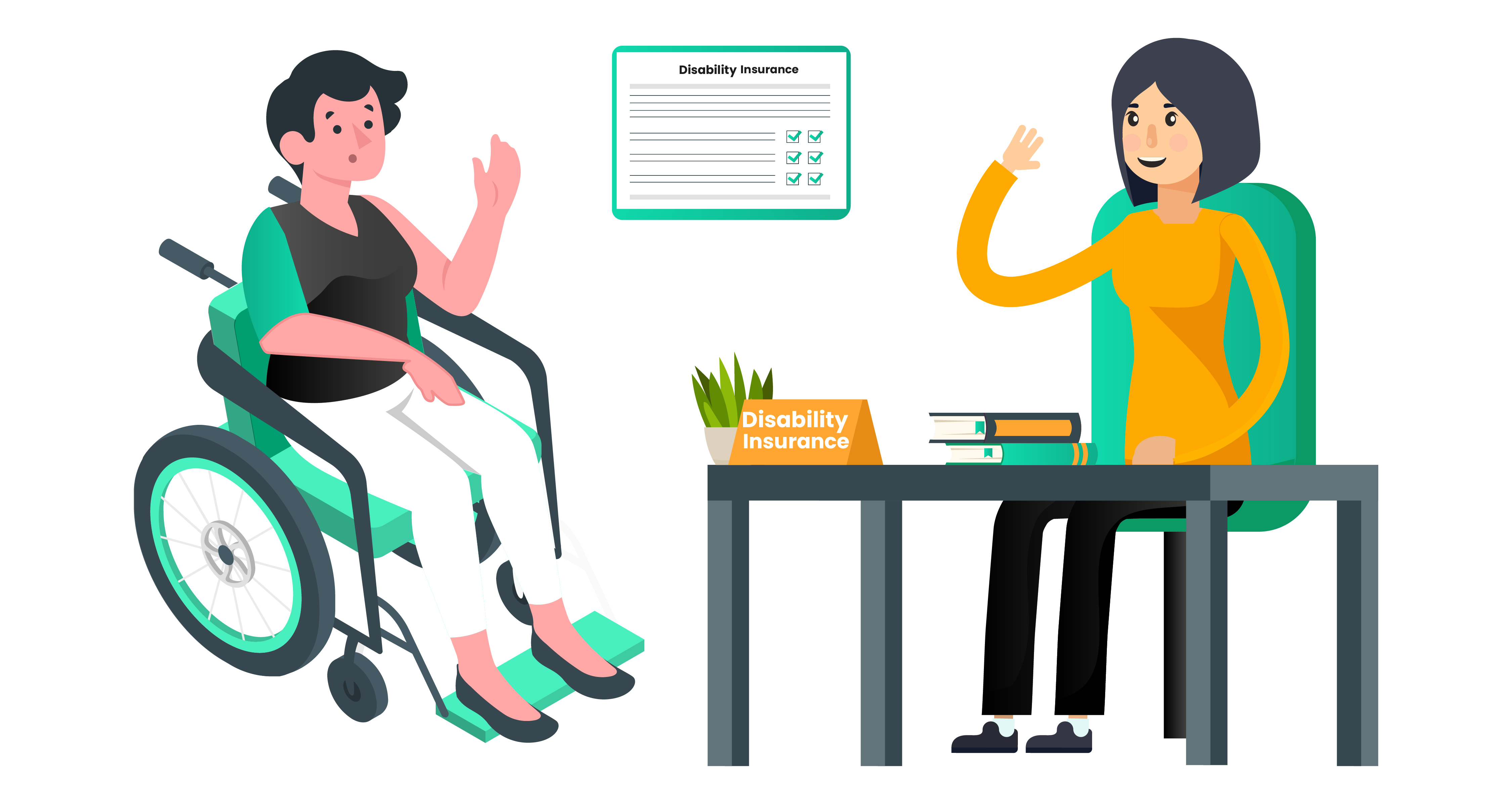
Disability Insurance

Disability Insurance provides you with financial protection if you’re unable to work due to illness or injury. It replaces a portion of your income, helping you manage everyday expenses such as rent, mortgage payments, groceries, and bills while you focus on recovery.

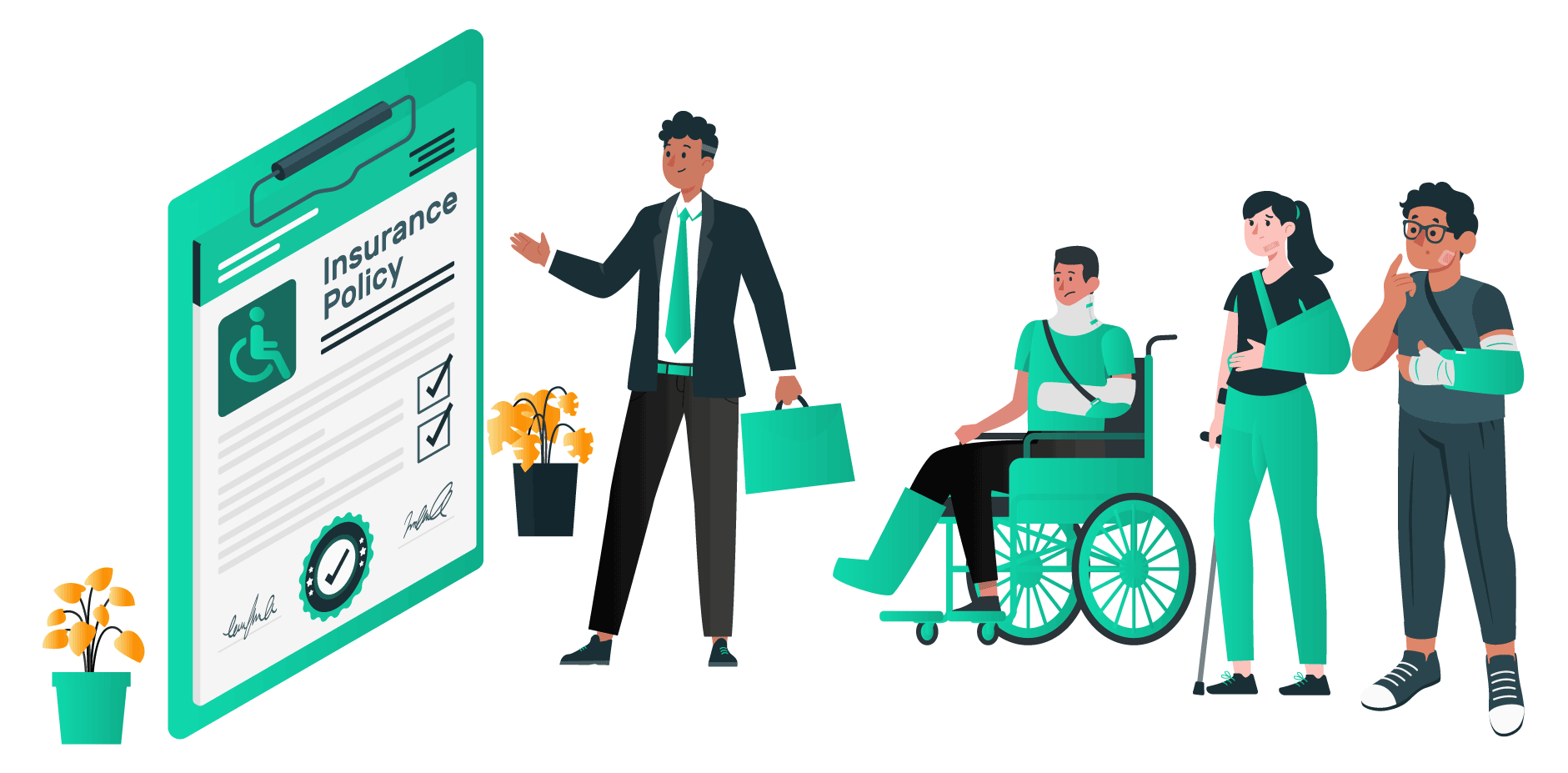
  Disability
  
     Insurance
Life Advice Insurance Inc

Decide If You Need Disability Insurance

Disability insurance can help protect you and your family from an unexpected illness or accident that leaves you unable to work and earn an income. disability insurance replaces between 60% and 85% of your regular income, up to a maximum amount, for a specified time

How do I purchase Coverage?

Check to see if there is disability insurance available through your workplace, in which case your employer may cover part of your premiums. Consider purchasing a policy on your own if coverage at the workplace is insuficient to meet your needs or if workplace coverage is not available to you. Ways to buy a policy on your own include going through a professional association, contacting an insurance broker, reaching out to an insurance company. Take the time to understand the policy you are buying, and don’t be afraid to ask any questions about what your disability insurance policy covers.

Ask Any Questions About What Your Disability Insurance Policy Covers

Short Term Disability Insurance

As long as an employee has short-term disability benefits coverage at the time they become disabled, they are qualified to receive short-term disability benefits. The medical conditions covered by a policy range from physical to psychological, cognitive, or emotional. Many group benefits plans include short-term disability benefits. To confirm whether you have coverage, you should review your group benefits policy.

Long Term Disability Insurance

Long-term disability insurance benefits generally begin when the following benefits end: short-term disability insurance, sick leave benefits from your employer, and EI benefits. Most long-term disability plans will replace 60% to 70% of your normal income. Each disability plan is different. Some may provide disability benefits for up to two years if you're unable to return to the job you had before becoming disabled. After two years, you may continue to receive benefits only if you're unable to work at any job.

General terms and conditions

  • ✔ How the plan defines disability
  • ✔ Are there any exclusions
  • ✔ How much the policy will cost
  • ✔ Are the benefits taxable
  • ✔ Will benefits be adjusted for inflation
  • ✔ How long you need to wait before starting to receive benefits
  • ✔ Does the plan include partial disability benefits
  • ✔ Can you increase your coverage without a medical exam
  • ✔ Are there any pre-existing condition clauses you should be aware of
  • ✔ Do you still need to make premium payments while living with a disability
clipboard
Life Advice Insurance Inc

Definition of disability

The definition of a disability can vary between insurance companies. The definition can even vary between different insurance plans from the same company.

Some disability plans may also require you take part in a rehabilitation program if they can help you get back to work.

Check with your insurance plan administrator or insurance agent to learn your plan’s definition of disability.

Any Occupation

An any-occupation policy is a type of disability insurance that provides coverage for when the insured is unable to work in a job suitable for them based on education, experience, and age. If the insured is capable of still working, even if it is at a lower-paying job, an any-occupation policy would not pay benefits. Employer-provided disability insurance may only be available as an any-occupation policy. Employees may purchase a supplemental disability policy for additional protection.

Regular Occupation

The definition of "regular or own occupation" plan means you'll receive benefits if you're unable to perform the main duties of the job you had at the time the disability started. You'll still receive benefits even if you can work in a different job from the one you had before your disability, based on your training, experience and education. Some policies don't allow you to get benefits, or may reduce your benefits, if you begin working in a different job.

Own Occupation

Own occupation plans that never change in definition are often purchased individually and usually cost more than any occupation plans. You may want to consider an own occupation plan if you have a specialized occupation that would require you to take a significant pay cut in order to work in another field.

Waiting Period

Every disability insurance policy imposes a waiting period, also known as the elimination period. This reference is to the number of days you must be disabled before receiving benefits, and the first check will come within 30 days of the end of this period. In other words, if you are disabled during the elimination period, you will not receive any benefits, even though you cannot work. Many people select an elimination period of 60 to 90 days. Shorter elimination periods, such as 30 or 60 days, can mean higher premiums and vice versa.

Who Can Apply?

  • Age 18-55 : Benefits are payable under the following conditions Disclaimer 5
  • Canadian citizens : Permanent residents/landed immigrants
  • What's Covered? : Working a minimum of 30 hours per week
Life Advice Insurance Inc

Frequently Asked Question (FAQ)


Disability insurance is important because\r\nit helps protect your income and financial stability in the event that you\r\ncannot work due to a disability.

If you become disabled and are unable to\r\nwork, disability insurance pays you a portion of your income as a benefit. The\r\nspecific terms and conditions of the policy determine the benefit amount and\r\nduration.

Disability insurance typically covers both\r\nshort-term and long-term disabilities, including illnesses, injuries, chronic\r\nconditions, and mental health disorders that prevent you from working.

Employer-provided disability insurance may\r\nnot always be sufficient to cover your income replacement needs. It is\r\nrecommended to evaluate your employer s coverage and consider supplementing it\r\nwith an individual disability insurance policy.

It is a very common practice to modify your\r\ndisability policy during your life because your coverage amount is linked with\r\nyour annual income and job status. However, to increase your insurance coverage\r\nyou have to provide evidence of good physical and mental health

Depending on your income and the nature of your job, your representative can find you a solution of getting a non-taxable monthly benefit of between $400 and $10,000. Besides, you can choose the range of your benefit period anywhere from 2 years, 5 years, or till Age 70 

Yes, self-employed individuals can and\r\nshould consider purchasing disability insurance. It can provide crucial income\r\nprotection in case they are unable to work due to a disability.

The amount of disability insurance coverage you\r\nneed depends on various factors, including your income, living expenses,\r\nfinancial obligations, and desired level of protection. It is advisable to\r\nassess your needs and consult with an insurance professional to determine an\r\nappropriate coverage amount.

The elimination period, also known as the\r\nwaiting period, is the duration you must wait after becoming disabled before\r\nyour disability insurance benefits begin. Common elimination periods are 0, 30,\r\n60, or 120 Days

Disability insurance is a type of insurance that provides income replacement if you become unable to work due to a disabling illness or injury.

Pre-existing medical conditions may impact your ability to secure disability insurance or influence the terms and premiums of the policy. It is advisable to discuss your specific situation with insurance providers to understand your options.

Disability insurance coverage can last for a specified period, such as a few years or until retirement age, depending on the policy terms you choose.

The cost of disability insurance varies based on factors such as your age, occupation, health condition, coverage amount, and the elimination period. It is recommended to obtain quotes from different insurance providers to compare premiums.

If you become disabled and need to file a\r\nclaim, you should contact your insurance provider or agent to initiate the\r\nclaims process. You will typically need to provide medical documentation and\r\nother relevant information to support your claim.